
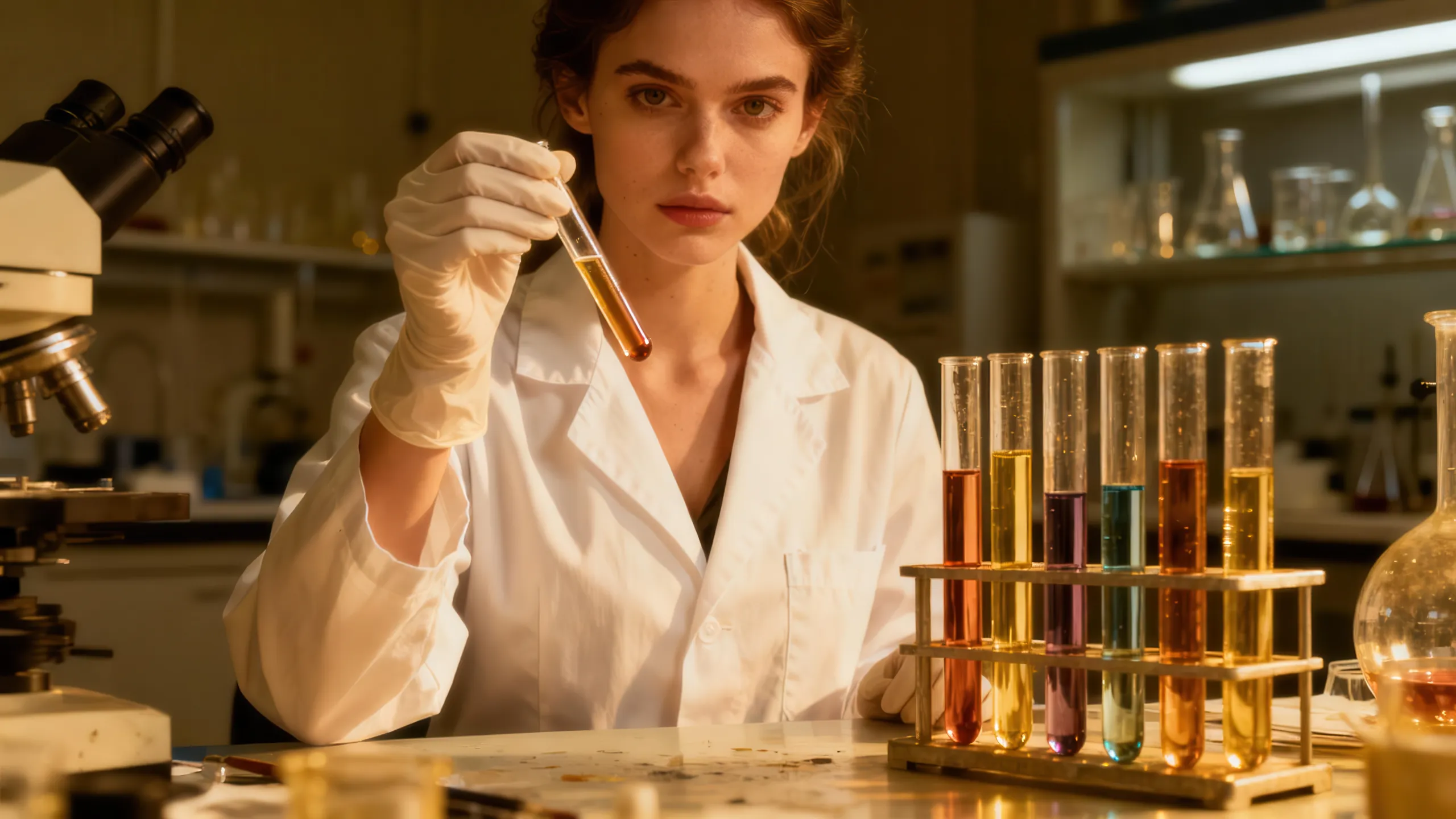

Biology is the scientific study of life and living organisms. It is one of the most fascinating branches of science because it helps us understand how living things grow, function, reproduce, evolve, and interact with their environment. From the smallest microscopic bacteria to the largest whales on Earth, biology explains the incredible diversity of life that surrounds us.
Whether you are a high school student, college beginner, or simply curious about the natural world, learning the introduction to biology provides the foundation for understanding medicine, agriculture, environmental science, biotechnology, genetics, and countless other scientific fields.
This comprehensive guide introduces the fundamental concepts of biology in a simple and structured way, making it easy for beginners to build a strong understanding of life sciences.
What Is Biology?
Biology is the branch of science that studies living organisms and their life processes. The word “biology” comes from two Greek words:
- Bios meaning life
- Logos meaning study
Together, biology means the study of life.
Biologists study how organisms live, reproduce, adapt, evolve, and interact with each other and their environments.
Why Is Biology Important?
Biology plays a vital role in improving our understanding of the world and solving many global challenges.
Some of the major benefits of studying biology include:
- Understanding the human body and health
- Developing medicines and vaccines
- Improving agricultural production
- Protecting endangered species
- Conserving natural resources
- Combating climate change
- Understanding diseases and their prevention
- Supporting biotechnology and genetic research
Biology also helps us make informed decisions about nutrition, healthcare, environmental conservation, and sustainable living.
Characteristics of Living Organisms
All living organisms share certain characteristics that distinguish them from non-living things.
These characteristics include:
1. Organization
Living things are made up of one or more cells arranged in an organized structure.
Example:
- Humans consist of trillions of cells.
- Bacteria consist of a single cell.
2. Growth and Development
Living organisms grow by increasing in size and developing throughout their life cycle.
Examples include:
- A seed grows into a tree.
- A baby develops into an adult.
3. Reproduction
Living organisms produce offspring to ensure the continuation of their species.
Reproduction may be:
- Sexual reproduction
- Asexual reproduction
4. Response to Stimuli
Living things respond to changes in their environment.
Examples:
- Plants grow toward sunlight.
- Humans withdraw their hand from a hot object.
- Birds migrate during seasonal changes.
5. Metabolism
Metabolism refers to all the chemical reactions that occur within living organisms to maintain life.
These reactions include:
- Digestion
- Respiration
- Energy production
- Growth
- Repair
6. Homeostasis
Homeostasis is the ability to maintain a stable internal environment despite external changes.
Examples include:
- Regulating body temperature
- Maintaining blood sugar levels
- Controlling water balance
7. Adaptation and Evolution
Over many generations, organisms develop characteristics that help them survive in their environments.
Examples include:
- Thick fur in polar bears
- Long necks in giraffes
- Camouflage in insects
Branches of Biology
Biology is divided into many specialized fields.
Some of the major branches include:
Botany
The study of plants.
Topics include:
- Plant growth
- Photosynthesis
- Plant reproduction
- Plant diseases
Zoology
The study of animals.
This branch explores:
- Animal behavior
- Anatomy
- Physiology
- Evolution
Microbiology
The study of microscopic organisms such as:
- Bacteria
- Viruses
- Fungi
- Protozoa
Genetics
Genetics studies heredity and how traits are passed from parents to offspring.
It explains:
- DNA
- Genes
- Chromosomes
- Inheritance
Ecology
Ecology studies how organisms interact with one another and with their environment.
Topics include:
- Ecosystems
- Food chains
- Biodiversity
- Conservation
Anatomy
Anatomy focuses on the structure of living organisms.
Examples include:
- Human skeleton
- Organs
- Muscles
- Bones
Physiology
Physiology studies how body systems function.
Examples include:
- Digestion
- Breathing
- Circulation
- Nervous system
The Cell: The Basic Unit of Life
Every living organism is made of one or more cells. Cells are the smallest units capable of carrying out all life processes.
Cells perform functions such as:
- Producing energy
- Growing
- Repairing tissues
- Reproducing
- Responding to the environment
There are two main types of cells:
- Prokaryotic cells, which lack a nucleus (for example, bacteria).
- Eukaryotic cells, which contain a nucleus and other specialized structures (for example, plant and animal cells).
Cell Structure and Function
Important parts of a typical cell include:
- Cell membrane – controls what enters and leaves the cell.
- Cytoplasm – jelly-like substance where many chemical reactions occur.
- Nucleus – contains genetic material (DNA) and controls cell activities.
- Mitochondria – produce energy for the cell.
- Ribosomes – make proteins.
- Vacuoles – store water, nutrients, and waste.
- Chloroplasts (plant cells only) – carry out photosynthesis.
- Cell wall (plant cells only) – provides support and protection.
Levels of Biological Organization
Living things are organized in levels, from the simplest to the most complex.
- Cell
- Tissue
- Organ
- Organ System
- Organism
- Population
- Community
- Ecosystem
- Biome
- Biosphere
Example:
Cells form tissues, tissues form organs, organs work together in organ systems, and organ systems make up an organism.
Photosynthesis
Plants produce their own food through photosynthesis, a process that converts sunlight into chemical energy.
Sunlight
CO₂
Water
Oxygen
Glucose
All inputs are low, so the photosynthesis rate is low; none is more available than the others
LightLowMediumHigh
LowMediumHigh
CO₂LowMediumHigh
LowMediumHigh
WaterLowMediumHigh
LowMediumHigh
Photosynthesis requires:
- Sunlight
- Water
- Carbon dioxide
The products are:
- Glucose (food)
- Oxygen
Photosynthesis supports nearly all life on Earth by providing food and releasing oxygen into the atmosphere.
Respiration
Respiration is the process by which living organisms release energy from food.
During respiration:
- Oxygen is used.
- Glucose is broken down.
- Energy is released.
- Carbon dioxide and water are produced.
This energy powers movement, growth, repair, and all other life processes.
Classification of Living Organisms
Scientists classify organisms into groups based on shared characteristics.
The major taxonomic ranks are:
- Kingdom
- Phylum
- Class
- Order
- Family
- Genus
- Species
This classification system helps scientists identify and study organisms accurately.
The Five Main Kingdoms
Living organisms are commonly grouped into five kingdoms:
- Monera – bacteria
- Protista – single-celled organisms with a nucleus
- Fungi – mushrooms, molds, and yeasts
- Plantae – all plants
- Animalia – all animals
Each kingdom contains organisms with unique characteristics.
Genetics and Heredity
Genetics explains how traits are inherited from one generation to the next.
Key terms include:
- DNA – the molecule that carries genetic information.
- Gene – a segment of DNA that determines a specific trait.
- Chromosome – a structure containing DNA and genes.
Inherited characteristics include:
- Eye color
- Hair color
- Blood type
- Height potential
Evolution
Evolution is the gradual change in populations of organisms over many generations.
Natural selection favors organisms with traits that improve survival and reproduction.
Examples include:
- Antibiotic resistance in bacteria
- Beak variations in birds
- Camouflage in insects
Evolution helps explain Earth’s biodiversity.
Ecology and Ecosystems
Ecology examines relationships between organisms and their environment.
An ecosystem consists of:
- Living organisms (biotic factors)
- Non-living components such as water, soil, air, and sunlight (abiotic factors)
Examples of ecosystems include:
- Forests
- Grasslands
- Oceans
- Deserts
- Wetlands
Healthy ecosystems are essential for maintaining biodiversity and supporting life.
Food Chains and Food Webs
Energy flows through ecosystems in a predictable way.
A simple food chain includes:
- Producers (plants)
- Primary consumers (herbivores)
- Secondary consumers (carnivores)
- Decomposers (fungi and bacteria)
Food webs connect multiple food chains and show the complex feeding relationships within ecosystems.
The Importance of Biodiversity
Biodiversity refers to the variety of life on Earth.
Benefits include:
- Stable ecosystems
- Food security
- Medical discoveries
- Pollination of crops
- Climate regulation
Protecting biodiversity helps ensure healthy ecosystems for future generations.
Careers in Biology
Studying biology opens doors to many exciting careers, including:
- Doctor
- Nurse
- Veterinarian
- Pharmacist
- Microbiologist
- Marine Biologist
- Ecologist
- Geneticist
- Biotechnologist
- Environmental Scientist
- Forensic Scientist
- Wildlife Conservation Officer
- Laboratory Technician
- Science Teacher
Biology is also essential for careers in agriculture, biotechnology, pharmaceuticals, and public health.
Tips for Studying Biology
To succeed in biology:
- Learn scientific vocabulary gradually.
- Draw and label diagrams of cells and organs.
- Review concepts regularly instead of memorizing at the last minute.
- Relate biological concepts to everyday life.
- Practice answering questions and solving problems.
- Use flashcards to remember key terms.
- Study with classmates and discuss difficult topics.
- Watch educational videos to reinforce learning.
Frequently Asked Questions
What is biology?
Biology is the scientific study of life, living organisms, and the processes that allow them to survive, grow, reproduce, and interact with their environment.
Why should beginners study biology?
Biology helps us understand ourselves, other living organisms, and the natural world. It also provides the foundation for careers in medicine, environmental science, agriculture, and biotechnology.
What is the basic unit of life?
The cell is the basic structural and functional unit of all living organisms.
What are the main branches of biology?
Major branches include botany, zoology, microbiology, genetics, ecology, anatomy, and physiology.
Introduction to Biology Conclusion
Introduction to Biology is the first step toward understanding the incredible diversity and complexity of life on Earth. By learning about cells, organisms, ecosystems, genetics, evolution, and the relationships between living things and their environment, beginners gain a solid scientific foundation that supports future learning in health sciences, environmental studies, biotechnology, and many other disciplines.
Biology is more than just a school subject it is the science that explains life itself. With curiosity, careful observation, and consistent study, anyone can develop a deeper appreciation for the living world and the remarkable processes that sustain it.
Final Thoughts
Thank you for reading this comprehensive guide on Introduction to Biology. Continue exploring biological concepts, observe the natural world with curiosity, and practice applying what you learn. A strong understanding of biology will help you appreciate life, make informed decisions about health and the environment, and prepare for further studies in science.
